Medication & Pharmacy
Painkillers, and using them without causing problems
The cheapest analgesics are the safest for most people, and the risks of the common ones are underestimated.
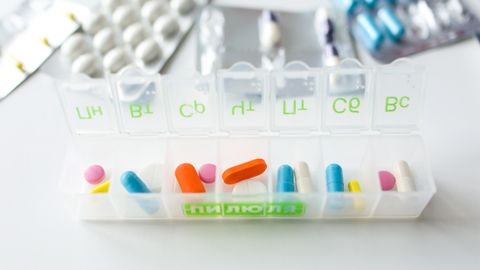
Analgesics are the most widely used medicines in the world, are available without prescription, and carry risks that are consistently underestimated because of that availability.
Paracetamol
The first-line option for most everyday pain and fever.
It is inexpensive, has few interactions and is safe at recommended doses for most adults.
The critical point is the narrow margin between the therapeutic and the toxic dose.
Paracetamol overdose causes liver failure, is a leading cause of acute liver failure in several countries, and is frequently unintentional — most commonly from taking a combination product alongside plain paracetamol without realising both contain it.
Which is why checking every product for paracetamol content matters, including cold and flu remedies and combination analgesics.
Lower maximum doses apply for people with low body weight, chronic alcohol use, malnutrition and liver disease.
Overdose may produce no symptoms for many hours while damage occurs, which is why any suspected overdose requires immediate medical attention rather than waiting to feel unwell.
Non-steroidal anti-inflammatories
Effective for inflammatory and musculoskeletal pain, and with a broader risk profile than their availability suggests.
Gastrointestinal effects: ulceration and bleeding, with risk rising with age, dose, duration and concurrent medications.
Cardiovascular risk, which is increased with most agents in this class, particularly at higher doses and with longer use.
Kidney effects, particularly in dehydration, in older adults, and in combination with certain blood pressure medications and diuretics — a combination sometimes described as a triple whammy for kidney injury.
Blood pressure elevation, which matters for anyone being treated for hypertension.
Worsening of asthma in a proportion of people.
And interactions with anticoagulants.
Practical use: the lowest effective dose for the shortest period, with food, and avoided in those with the risk factors above without advice.
Topical preparations for localised musculoskeletal pain have meaningful evidence and far lower systemic exposure, which makes them an under-used option.
Codeine and weak opioids
Where the picture is worse than most people assume.
Codeine is a prodrug converted to morphine at a rate that varies enormously between individuals because of genetic differences in metabolism, producing unpredictable effects.
It is contraindicated in children for several indications and in breastfeeding in some guidance.
It causes constipation reliably, and dependence develops readily.
Over-the-counter combination products containing codeine are a recognised source of dependence, frequently in people who never considered themselves at risk, and are restricted or withdrawn in several countries.
Medication overuse headache is a specific and common consequence, where regular analgesic use for headache produces a chronic daily headache caused by the treatment.
Strong opioids
Where the evidence has shifted substantially.
They are effective for acute severe pain and in palliative care.
For chronic non-cancer pain, evidence of long-term benefit is weak, and harms — dependence, tolerance, hyperalgesia, endocrine effects, overdose — are substantial.
Guidance in several countries now advises against initiating opioids for chronic primary pain.
Anyone on long-term opioids should have regular review and, where appropriate, a supported tapering plan rather than abrupt cessation.
What to use for what
A practical guide.
Headache: paracetamol or an NSAID, used no more than a limited number of days per month to avoid medication overuse headache.
Musculoskeletal pain: topical NSAID first, then oral NSAID or paracetamol, with movement rather than rest.
Period pain: NSAIDs work well because they inhibit the prostaglandins causing it, and taking them before pain is established works better than after.
Dental pain: NSAIDs plus paracetamol, alongside actual dental treatment, since analgesia does not treat infection.
Back pain: guidance now favours staying active and psychological approaches, with paracetamol performing poorly in trials for this indication specifically.
Neuropathic pain: standard analgesics work poorly, and specific agents are used instead.
Combining them
Paracetamol and an NSAID can be taken together, which is more effective than either alone for many types of pain, provided each is within its own limits.
Do not combine two NSAIDs.
Do not take multiple products containing the same ingredient.
And check with a pharmacist if taking anything else regularly, since the interactions are numerous.
The cost side
Generic paracetamol and ibuprofen cost very little, and branded versions of identical products cost several times as much for no additional effect.
Branded products for specific pains — headache, period pain, back pain — generally contain the same ingredients as the plain versions, sometimes with caffeine added.
Which makes this one of the clearest examples of paying for packaging in the entire pharmacy.
General information only, not medical advice. Follow dosing instructions exactly, check every product for duplicate ingredients, and seek immediate medical help for suspected overdose.
Also by Dr Samuel Adeyemi
- Dental emergencies and what to doDental & Vision
- Overdiagnosis, and why more medicine is not always betterScreening & Checks
- Mouth ulcers, bad breath and the small thingsDental & Vision
- Dry eye, contact lenses and daily eye careDental & Vision