Medication & Pharmacy
Getting the most from a pharmacist
The most accessible and least used clinician in most health systems, with services people do not know exist.
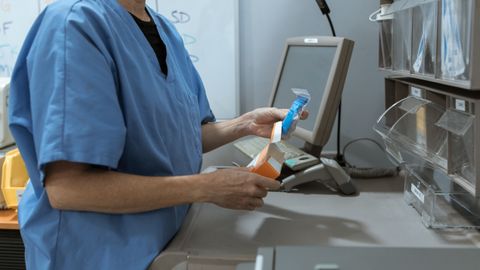
A community pharmacist is a degree-qualified medicines expert available without an appointment, and most people use them only to collect a bag.
What they can do without an appointment
More than most people realise, with the specifics varying by country.
Advise on minor illness and recommend treatment, frequently including prescription-only medicines under local schemes.
Review your medicines for interactions, duplications and side effects.
Advise on how and when to take things, which is where a substantial proportion of treatment failure originates.
Provide vaccinations, commonly influenza, travel vaccines and others depending on the country.
Supply emergency contraception.
Provide smoking cessation support and products.
Measure blood pressure, and in many places identify people who need referral.
Provide emergency supply of a regular medicine when you have run out.
And, increasingly, treat defined common conditions directly under national schemes, which diverts a large volume of appointments away from doctors.
The questions worth asking
When collecting anything new.
What is this for, and what should I notice if it is working?
When and how should I take it — with food, at a particular time, away from other things?
What are the common side effects, and which ones mean I should come back?
How long before it works?
Does it interact with anything else I take, including supplements?
Is there a cheaper equivalent?
And what should I do if I miss a dose, which is the question people most often need and least often ask.
Interactions people miss
Where a pharmacist adds the most value.
Over-the-counter products, which people do not consider medicines: non-steroidal anti-inflammatories, which affect blood pressure, kidney function and interact with anticoagulants; decongestants, which raise blood pressure; and antihistamines, which are sedating in some formulations.
Supplements and herbal products: St John's wort interacts with a long list including contraceptives and anticoagulants; high-dose fish oils and vitamin E affect bleeding risk; and biotin interferes with laboratory assays.
Grapefruit juice, which affects the metabolism of several drugs substantially.
Alcohol.
And medicines prescribed by different clinicians who are not seeing the whole list, which is exactly the gap a pharmacist fills.
Adherence, and the practical fixes
Around half of people taking long-term medication do not take it as prescribed, which is one of the largest sources of waste and poor outcomes in healthcare.
The reasons are practical more often than deliberate: forgetting, complexity, side effects, cost and not understanding the purpose.
Pharmacists can help with all five.
Practical measures: dosette boxes and blister packs, which are dispensed on request in many places; synchronising all prescriptions to the same date; simplifying to once-daily formulations where they exist; combination tablets; and linking doses to existing routines.
Reminder apps and alarms help, and a physical pill organiser remains among the most effective interventions studied.
Repeat prescriptions
Where waste accumulates.
Order only what you need rather than accepting everything on the repeat list, since unused medicines cannot be reused and represent a substantial cost to any system.
Check the list periodically for items you no longer take.
Use electronic repeat dispensing where available, which reduces administrative burden.
Nominate a pharmacy for electronic prescriptions where the system supports it.
And request a medication review annually if you take several medicines, which is a defined service in many systems.
Storage and disposal
Practical points.
Store in a cool dry place, which is generally not a bathroom cabinet, and follow refrigeration instructions where they apply.
Keep everything out of reach of children, in original packaging with the label.
Check expiry dates periodically.
Return unused and expired medicines to a pharmacy rather than putting them in the bin or the toilet, which is both an environmental and a safety matter.
And never share prescription medicines, including antibiotics, which is common and unsafe.
What a pharmacist cannot do
Worth knowing to avoid a wasted visit.
Diagnose complex conditions.
Prescribe outside the schemes operating locally.
Override a prescriber's decision.
Or manage a medical emergency, where the answer is emergency services.
What they will do reliably is tell you when something needs a doctor, which is itself a useful and free triage.
General information only, not medical advice. Consult a pharmacist or qualified clinician about your medicines, and seek emergency care for urgent symptoms.
Also by Dr Samuel Adeyemi
- Dental emergencies and what to doDental & Vision
- Overdiagnosis, and why more medicine is not always betterScreening & Checks
- Mouth ulcers, bad breath and the small thingsDental & Vision
- Dry eye, contact lenses and daily eye careDental & Vision