Medication & Pharmacy
How Drug Interactions Are Checked Before Dispensing
Interaction checking combines automated flags with professional judgement, and understanding what the system can and cannot see explains why a full medicines list matters.
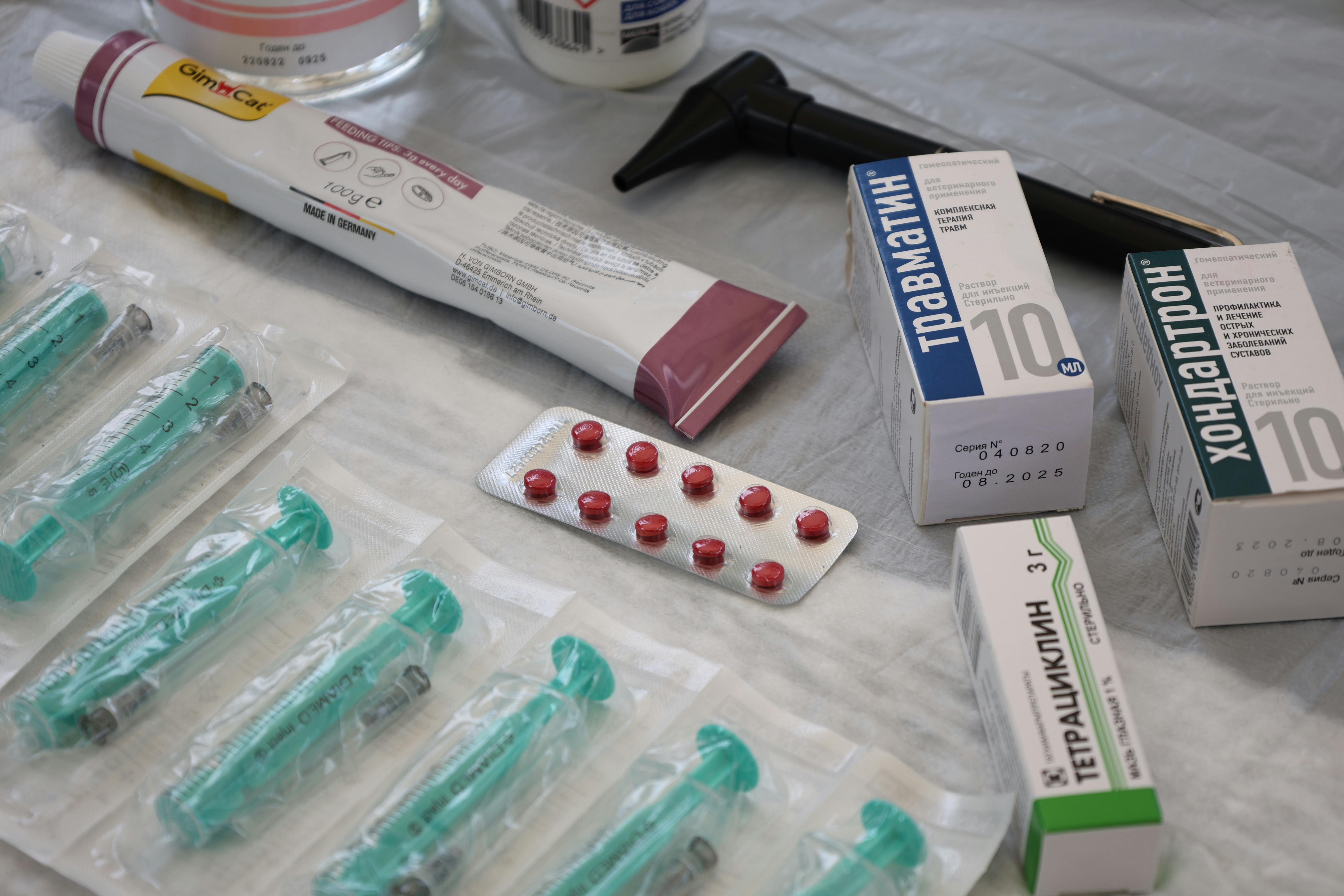
Every dispensed prescription passes through an interaction check. The process combines a database that flags possibilities with a pharmacist deciding which of them matter.
Interactions work through a few mechanisms
Most significant interactions involve the enzymes that metabolise drugs, largely in the liver. One medicine can inhibit or induce the enzyme that clears another.
Inhibition raises the level of the affected drug, since it is cleared more slowly. Induction lowers it, which can quietly render a treatment ineffective.
Other interactions are additive rather than metabolic. Two drugs with similar effects on blood pressure, bleeding or sedation combine into an effect larger than either alone.
The software flags possibilities, not conclusions
Dispensing systems hold interaction databases and raise an alert whenever a known pair appears on a patient's record.
The great majority of these alerts describe theoretical or minor interactions that are managed routinely in practice.
This creates a known problem: too many low-value alerts train people to dismiss them. Systems are therefore graded by severity so the serious ones stand out.
The check is only as good as the record
The system sees what is on the patient record. Medicines obtained elsewhere, bought over the counter or prescribed by a different service may be absent.
Over-the-counter products are a frequent gap. Common painkillers, antacids and antihistamines all interact with prescription medicines in ways that matter.
Herbal products and supplements are a larger gap still, since several are potent enzyme inducers and are rarely mentioned because they are not thought of as medicines.
Judgement decides what happens next
A flagged interaction has several possible resolutions, and stopping the medicine is usually the least likely of them.
Options include separating the doses in time, adjusting a dose, adding monitoring such as a blood test, or simply documenting that the combination is intended and accepted.
Many interacting combinations are prescribed deliberately because the benefit outweighs the risk. The check exists to make that a decision rather than an accident.
What patients can do to make it work
Keeping a single current list of everything taken, including supplements and occasional purchases, is the most useful contribution a patient can make.
Using one pharmacy where practical keeps the record complete, since the check runs against what that pharmacy knows.
Any new symptom appearing shortly after a medicine is started or changed is worth raising, since interactions frequently present as something that seems unrelated.
Also by Renata Fiore
- Deciding what to spend on your healthBills & Access
- Workplace health benefits people never useBills & Access
- Choosing between public and private treatmentBills & Access
- End-of-life planning and its practical costsBills & Access