Medication & Pharmacy
Over-the-counter medicines worth having
A short list covers most household needs cheaply, and most of the aisle is expensive versions of the same few ingredients.
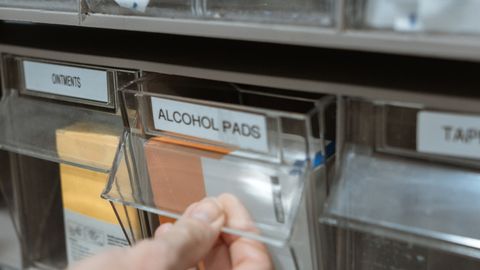
A well-stocked medicine cabinet prevents unnecessary appointments and unnecessary spending, and it is considerably shorter than the pharmacy shelf suggests.
The core list
What genuinely earns space.
Paracetamol, plain and generic, for pain and fever.
Ibuprofen, plain and generic, for pain with an inflammatory component — with the cautions discussed elsewhere on this site.
Oral rehydration sachets, for vomiting and diarrhoea, which are inexpensive and are the correct treatment where fizzy drinks and juice are not.
Antihistamine, a non-sedating one for allergy and a sedating one only where drowsiness is acceptable.
Antiseptic and plasters, plus sterile dressings and tape.
A digital thermometer.
Emollient, a plain fragrance-free one, which serves for dry skin, minor irritation and as a soap substitute.
Hydrocortisone cream for insect bites and minor skin irritation.
Antifungal cream for athlete's foot and similar.
Rehydration and simple analgesia for children in the correct formulations, if there are children.
And anything you personally use regularly — reliever inhaler, adrenaline auto-injector, indigestion remedy.
Worth adding for specific circumstances
Depending on the household.
Nasal saline for congestion.
A steroid nasal spray for hay fever, used consistently through the season rather than as needed, which is more effective than antihistamines for nasal symptoms.
Simple laxative for occasional constipation.
Anti-motility agents for diarrhoea in adults, used with caution and not in children.
Antacid or a proton pump inhibitor for occasional reflux.
Motion sickness treatment for travel.
And insect repellent and sunscreen, both of which prevent problems rather than treat them.
What to skip
Where the money goes to little effect.
Branded versions of generic ingredients, which cost several times as much for identical content — the same paracetamol, the same ibuprofen, different packaging.
Products marketed for specific pains — headache, back pain, period pain — which generally contain the same ingredients as the plain versions, sometimes with caffeine.
Combination cold and flu remedies, which contain paracetamol alongside other ingredients and are the main cause of accidental paracetamol overdose.
Cough medicines, where evidence of benefit is weak and where they are not recommended for young children.
Codeine-containing over-the-counter products, given the dependence risk.
Most immune-boosting and detox products.
And anything promising to shorten a cold, where evidence is generally poor.
The safety points
Which matter more with unsupervised purchase.
Check every product for paracetamol content before taking anything alongside plain paracetamol.
Follow dosing by weight and age for children, using the syringe supplied and the correct concentration.
Do not exceed stated maximum daily doses.
Check interactions with prescribed medicines, particularly anticoagulants, antihypertensives and antidepressants — a pharmacist will do this in a minute.
Do not use ibuprofen in certain circumstances: known reaction, active ulcer, some kidney and heart conditions, dehydration, and in chickenpox in children.
Store everything out of children's reach in original packaging.
And check expiry dates periodically, returning old stock to a pharmacy.
Where over-the-counter is genuinely cheaper than a prescription
A practical point in systems with prescription charges.
For many common items, buying over the counter costs less than a prescription charge, and generic supermarket versions cost less still.
Conversely, for people exempt from charges, or for larger quantities of long-term treatment, a prescription is cheaper.
Which makes it worth asking a pharmacist which route is cheaper for your circumstances, since they know and will say.
Knowing when self-care is not appropriate
The boundaries.
Any symptom in a baby under three months.
Fever with a rash that does not fade under pressure, drowsiness, breathing difficulty or neck stiffness.
Severe or worsening pain.
Symptoms lasting longer than expected — a cough over three weeks, diarrhoea over a week, a sore that has not healed in three weeks.
Any unexplained bleeding, lump or weight loss.
Chest pain, breathlessness or one-sided weakness, which are emergencies.
And symptoms in anyone immunosuppressed, pregnant or with significant chronic disease, where thresholds are lower.
The first aid alongside
Worth having and worth knowing how to use.
A basic first aid kit with dressings, tape, scissors, gloves and a foil blanket.
Knowledge of what to do for burns — twenty minutes of cool running water — for choking, for bleeding and for basic resuscitation.
Emergency numbers accessible.
And a short first aid course, which is inexpensive and is the single most useful preparation any household can make.
General information only, not medical advice. Consult a pharmacist about interactions with prescribed medicines, and seek urgent care for the symptoms listed.
Also by Dr Samuel Adeyemi
- Dental emergencies and what to doDental & Vision
- Overdiagnosis, and why more medicine is not always betterScreening & Checks
- Mouth ulcers, bad breath and the small thingsDental & Vision
- Dry eye, contact lenses and daily eye careDental & Vision