Medication & Pharmacy
What An Expiry Date On A Medicine Means
An expiry date is the last point a manufacturer has tested a medicine to full potency under defined storage, which is narrower than most people assume.
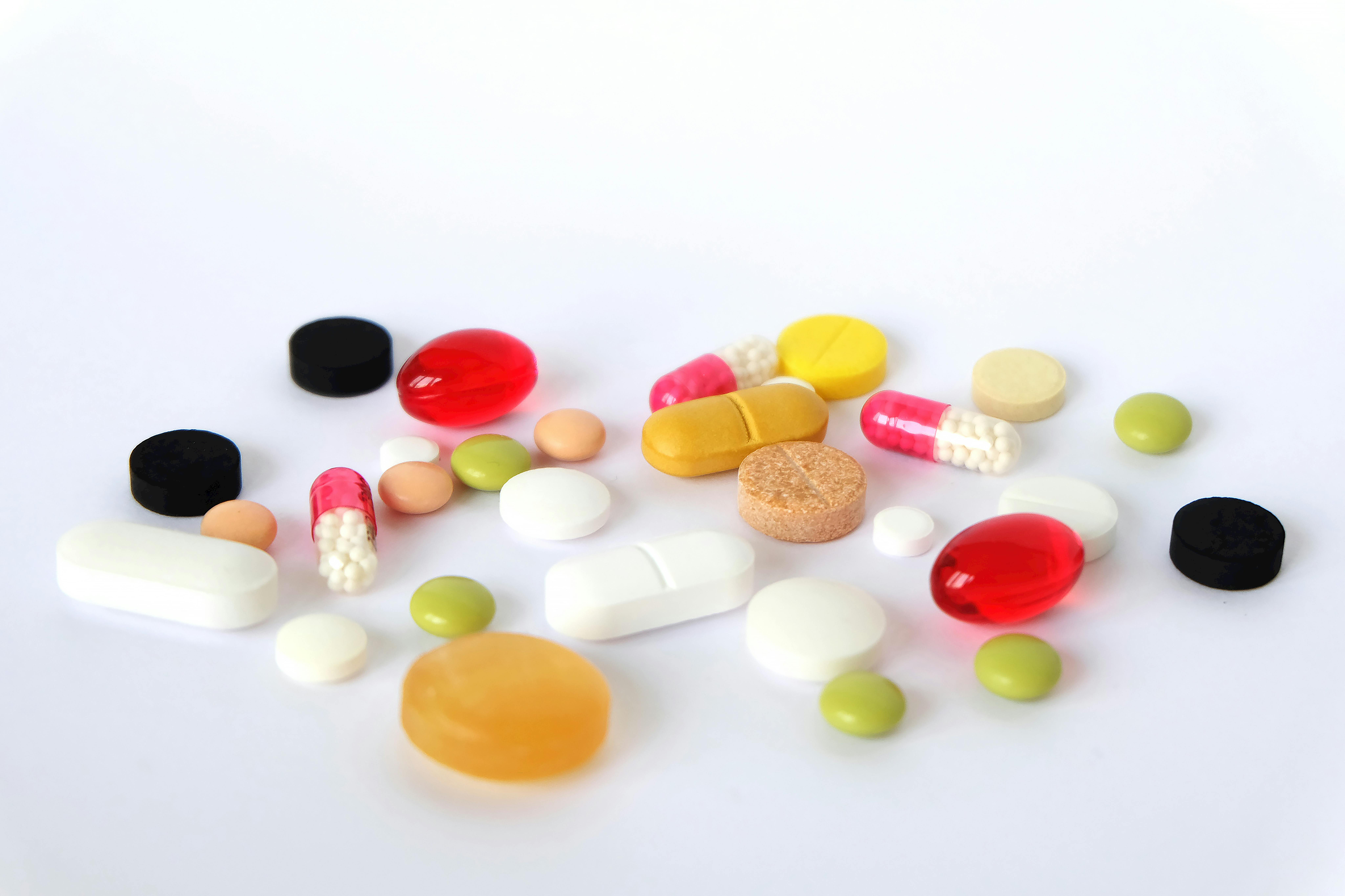
Every medicine carries an expiry date, and most people read it as the point at which the product becomes harmful. It is a statement about tested potency instead.
The date comes from stability testing
Manufacturers store batches under controlled temperature and humidity and test them at intervals to see how much active ingredient remains and what breakdown products appear.
The expiry date is set at the last point where the product still met its specification in those tests, usually meaning it retained close to its stated strength.
Testing costs money and takes real time, so companies rarely test far beyond a commercially useful shelf life. The date often reflects where testing stopped rather than where the medicine failed.
Storage conditions are part of the claim
The date is valid only under the storage conditions printed alongside it. A medicine kept warm, damp or in direct light degrades faster than the tested batch did.
Bathrooms and kitchens are the worst common locations, since both cycle through heat and humidity several times a day.
This is why a tablet stored in a warm car for a summer may be less reliable than one stored properly past its printed date. The date assumes conditions that were not met.
Degradation usually means weakening
For most solid medicines the failure mode is gradual loss of potency rather than the formation of anything hazardous.
A weakened dose matters enormously for some purposes and very little for others. For an emergency medicine or a narrow-margin drug, reduced potency is a serious problem.
A few products are known exceptions where breakdown produces compounds that should not be taken, which is one reason blanket reassurance about expired medicines is inappropriate.
Liquids and opened products behave differently
The printed expiry applies to an unopened package. Once a container is opened, air, moisture and contamination begin acting on the contents.
Liquids, creams, eye drops and reconstituted antibiotics carry much shorter in-use periods, often measured in weeks or days after opening.
These shorter windows are usually driven by microbial contamination rather than chemical decay, which is why sterile products have the tightest limits of all.
Why disposal route matters
Expired medicines should not go into household waste or drains, since both routes put active compounds into the environment and leave them accessible.
Most pharmacies accept returned medicines for proper destruction, which is the simplest disposal route available to a household.
Whether a particular expired medicine is still usable is a question for a pharmacist, who can weigh the drug, the storage history and what it is being relied on to do.
Also by Renata Fiore
- Deciding what to spend on your healthBills & Access
- Workplace health benefits people never useBills & Access
- Choosing between public and private treatmentBills & Access
- End-of-life planning and its practical costsBills & Access