Food & Budget
When Buying In Bulk Quietly Costs More
Larger packs are usually cheaper per unit, but storage limits, spoilage and changed consumption habits can turn a genuine discount into a household loss.
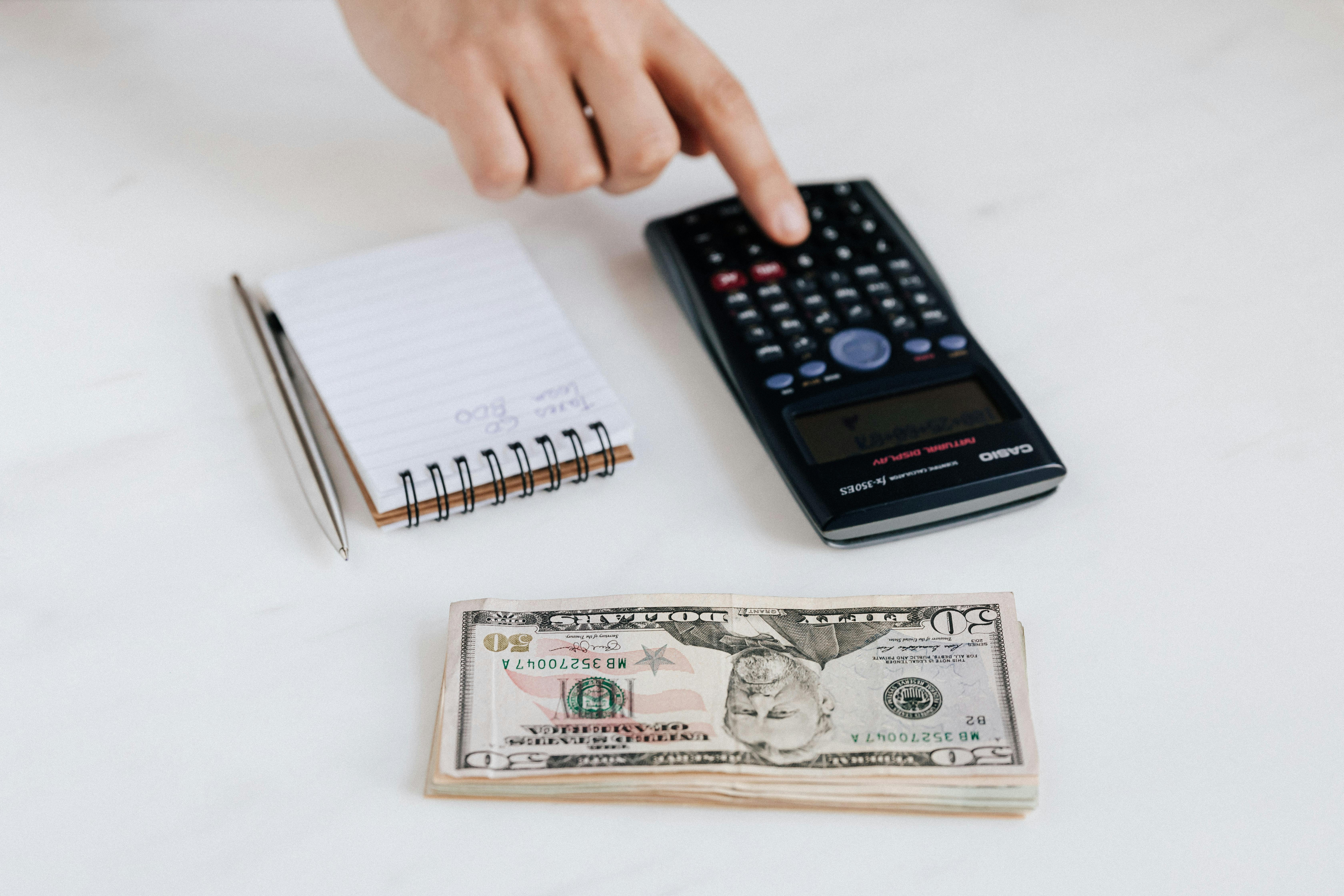
Buying larger packs is standard budget advice and is usually sound. The exceptions are systematic rather than random, and they explain why some households save nothing by doing it.
The discount is real but conditional
Bigger packs cost less per unit because packaging, handling and shelf space are shared across more product. That saving is genuine and appears on the shelf label.
The condition attached is that all of the product gets used. The unit price assumes complete consumption, and any portion discarded is paid for at full price.
A pack that is half wasted has an effective unit cost far above the small pack it replaced. The arithmetic reverses quietly, and few people recalculate it afterwards.
Perishables are where it usually fails
Fresh items have a fixed window regardless of quantity. Buying twice as much salad does not extend how long salad lasts.
Household size drives this more than anything. A large family absorbs a bulk pack of fresh produce within its window, while a single person frequently cannot.
Freezing rescues some categories and not others. Bread, meat and cooked dishes freeze well; many vegetables and dairy products come out with texture that discourages use.
Larger packs change how much gets used
Abundance in a cupboard tends to raise consumption. Portions grow when the container is large, and this effect is strongest for snacks and drinks.
The mechanism is that people meter by container rather than by amount. A large bag suggests a large serving in a way a small bag does not.
So a bulk purchase can lower cost per unit while raising cost per week, which is the figure that actually determines the household bill.
Storage is a hidden constraint
Bulk buying assumes somewhere dry, cool and pest-free to keep the surplus. Cramped kitchens push stock into places where it degrades faster.
Poor storage causes losses that never look like waste. Stale flour, softened biscuits and rancid oil get used or discarded without ever being counted as a failed saving.
There is also a cash-flow cost. Money committed to a month of supplies is unavailable for anything else, which matters most in the households that most need the discount.
Where bulk buying reliably works
The safe categories are shelf-stable, used constantly and insensitive to portion effects. Rice, dried pulses, pasta, tinned goods and cleaning products all qualify.
These have long lives, tolerate imperfect storage and are portioned by recipe rather than by container, so consumption does not drift upward.
The practical test before any bulk purchase is whether you can name the week it will be finished. If not, the discount is probably theoretical.
Also by Renata Fiore
- Deciding what to spend on your healthBills & Access
- Workplace health benefits people never useBills & Access
- Choosing between public and private treatmentBills & Access
- End-of-life planning and its practical costsBills & Access