Food & Budget
Where Household Food Waste Actually Comes From
Most discarded food is thrown away for structural reasons rather than carelessness, and the categories that dominate the loss are consistent across households.
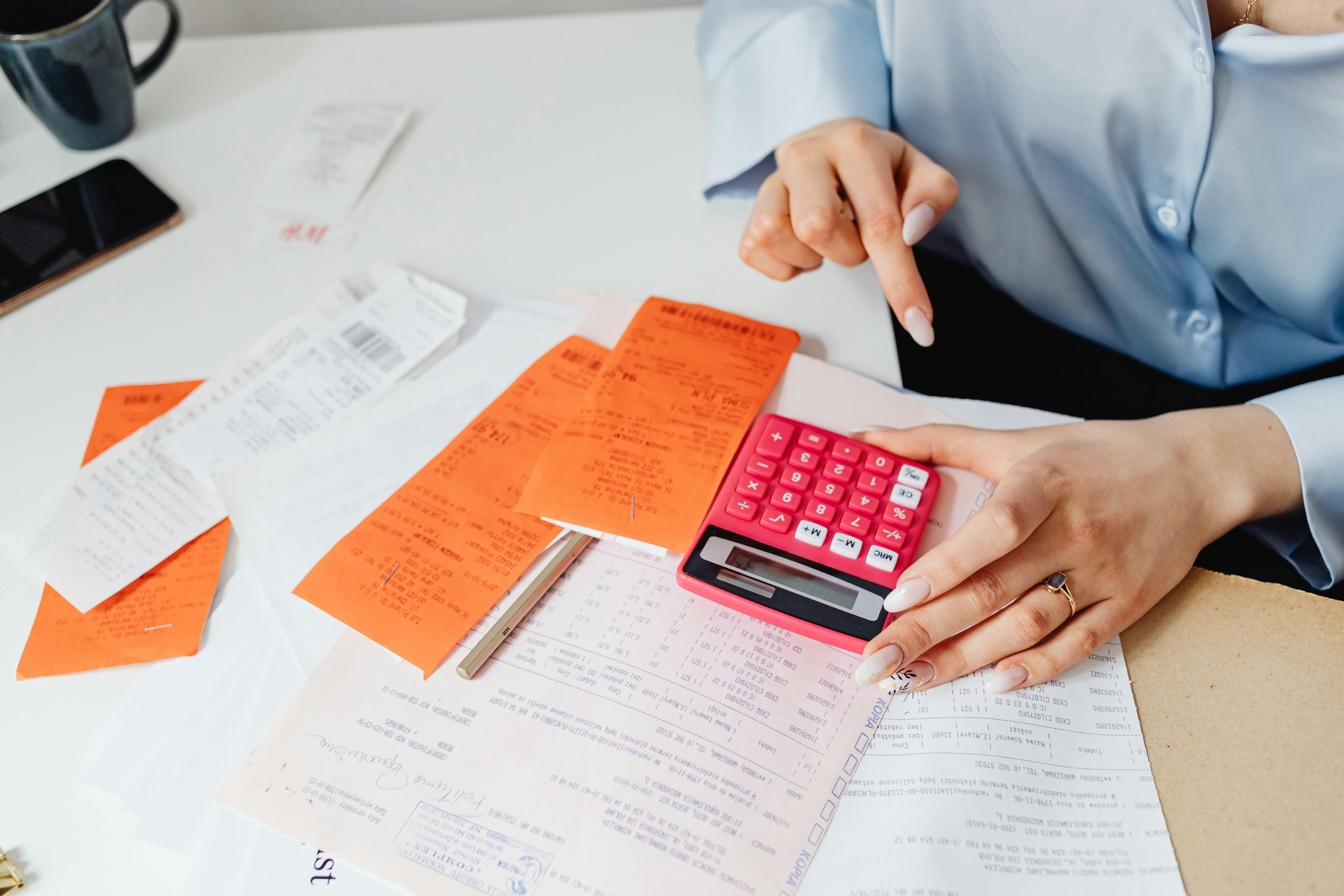
A substantial share of the food a household buys is never eaten. The pattern of what gets thrown away is remarkably consistent, and it points at causes that are fixable.
The losses cluster in a few categories
Bread, fresh vegetables, salad leaves, milk and cooked leftovers account for the bulk of household waste in most surveys of the subject.
What links them is a short window combined with irregular use. They are bought on the assumption of a normal week and discarded when the week is not normal.
Staples with long lives barely appear in waste figures. Nobody throws away rice, which suggests the problem is timing rather than over-buying in general.
Plans fail in predictable ways
Meal planning assumes a household eats at home on the nights it intended to. Late work, illness and social invitations break that assumption weekly.
Each broken evening strands the ingredients bought for it. The ingredients do not wait, and the following day usually has its own plan already attached.
A plan that includes one flexible evening absorbs this. The flexibility is what prevents the cascade, not the accuracy of the original plan.
Date labels are widely misread
Two different kinds of date appear on packaging and they mean different things. One concerns safety and one concerns quality, and only the first is a hard limit.
Quality dates are manufacturer estimates of when a product is at its best. Many foods remain perfectly usable well past them, judged by appearance and smell.
Safety dates on high-risk items such as ready meals and fresh meat are a genuine boundary and should be respected. Confusing the two categories drives avoidable waste in both directions.
Storage decides how long things last
Where an item sits changes its life considerably. Bread stales faster in a refrigerator than in a bread bin, while most fruit and vegetables last far longer chilled.
Some produce releases gases that accelerate ripening in neighbours. Keeping certain fruits apart from vegetables buys days at no cost.
Visibility matters as much as temperature. Food pushed to the back of a shelf is forgotten, and forgotten food is the single most common route to the bin.
Why this is a money question
Waste is spending that produced nothing. A household that discards a noticeable fraction of its shopping is paying for groceries it never consumed.
Reducing it does not require eating differently or buying cheaper. It requires the same food to be used, which is why it is among the least painful savings available.
The tracking method that works is simply noticing what goes in the bin for a fortnight. The pattern is usually narrow and repeats, which makes it straightforward to address.
Also by Renata Fiore
- Deciding what to spend on your healthBills & Access
- Workplace health benefits people never useBills & Access
- Choosing between public and private treatmentBills & Access
- End-of-life planning and its practical costsBills & Access