Medication & Pharmacy
Why Some Medicines Must Be Taken With Food
Instructions to take a medicine with or without food reflect measurable effects on absorption and stomach lining, not vague advice about comfort.
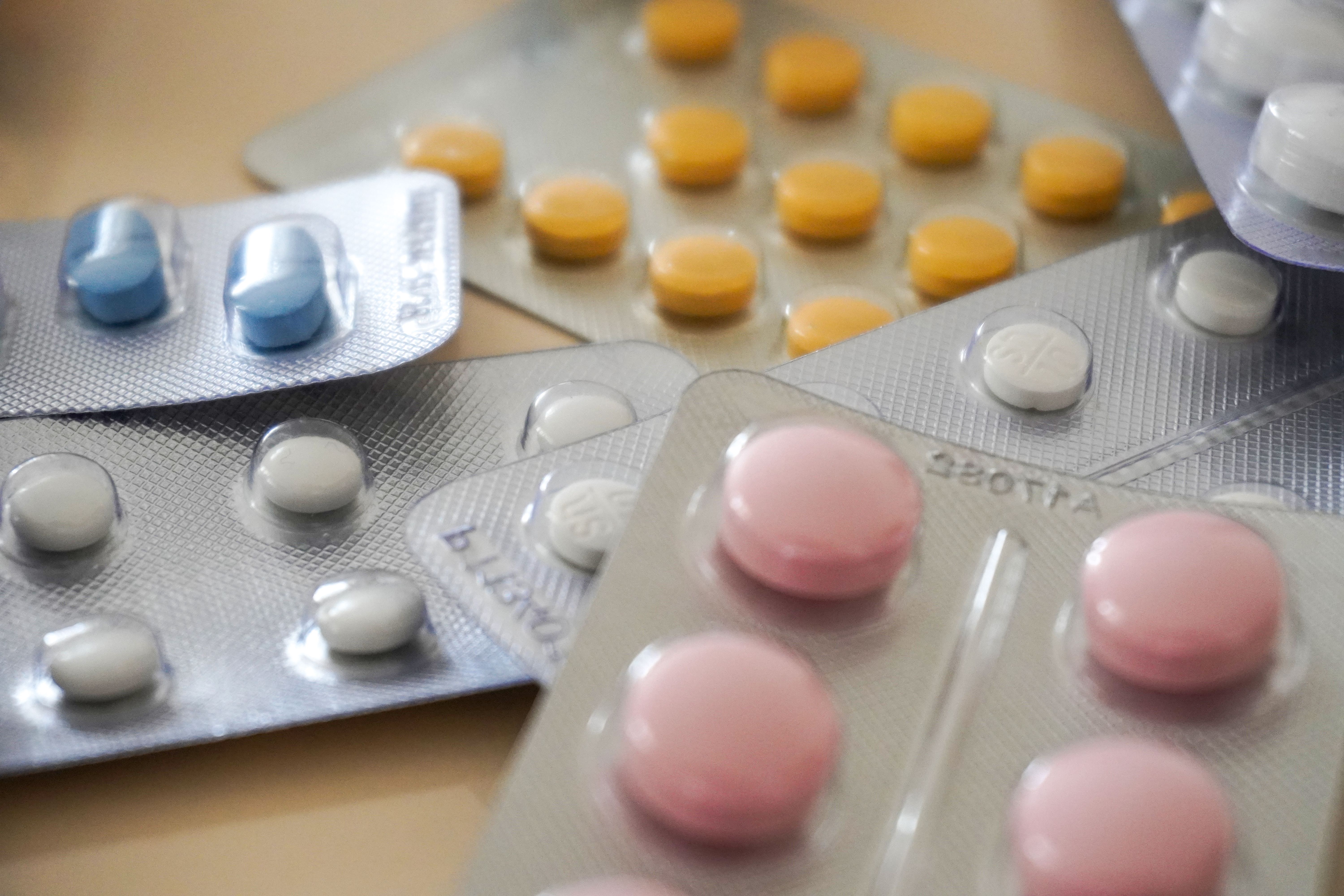
Labels instructing a medicine to be taken with food, or on an empty stomach, look like general advice. Each instruction traces to a specific effect that changes how the drug behaves.
Food changes how fast the stomach empties
Most oral drugs are absorbed in the small intestine, so the rate at which the stomach releases its contents governs how quickly a dose arrives there.
A meal slows gastric emptying substantially. A drug taken with food therefore reaches the bloodstream more slowly and with a lower peak concentration.
For some medicines that delay is irrelevant. For others, particularly those needed quickly or requiring a specific peak, it is the whole reason for the instruction.
Some drugs need fat to dissolve
Absorption requires a drug to be in solution. Compounds that dissolve in fat rather than water depend on the digestive machinery that handles dietary fat.
Eating triggers the release of bile, which emulsifies fat and carries poorly soluble compounds into a form the intestine can take up.
Taken on an empty stomach, these medicines can be absorbed erratically. The instruction to take them with a meal exists to make the dose predictable rather than to reduce discomfort.
Others are protecting the stomach lining
Certain medicines irritate the stomach directly, and some also reduce the substances that maintain its protective mucus layer.
Food acts as a physical buffer and dilutes the concentration in contact with the lining, which reduces irritation without changing the drug's action.
This is why the advice persists even for drugs where food slightly reduces absorption. The trade is accepted deliberately, and it is a clinical judgement rather than a rule of thumb.
Binding can block a dose entirely
Some drugs form complexes with minerals in food, notably calcium, iron, magnesium and zinc. The complex cannot be absorbed and the dose is effectively lost.
Dairy products and mineral supplements are the usual culprits, which is why some instructions specify a gap of hours rather than simply saying to avoid food.
Certain fruits and juices act differently again, interfering with the enzymes that break drugs down and altering the amount that reaches circulation.
Why the wording on the label is precise
Phrases such as before food, with food or on an empty stomach are not interchangeable, and each corresponds to a different timing relationship.
An empty stomach usually means an hour before eating or two hours afterwards, which is enough for the stomach to have cleared.
If an instruction is unclear or difficult to fit around a working day, a pharmacist can explain what the timing is protecting and whether there is flexibility in a particular case.
Also by Renata Fiore
- Deciding what to spend on your healthBills & Access
- Workplace health benefits people never useBills & Access
- Choosing between public and private treatmentBills & Access
- End-of-life planning and its practical costsBills & Access