Fitness & Movement
Why Tendons Adapt More Slowly Than Muscles
Connective tissue rebuilds on a much longer timescale than muscle, which is why a training program that feels comfortable can still be advancing faster than the tendon can follow.
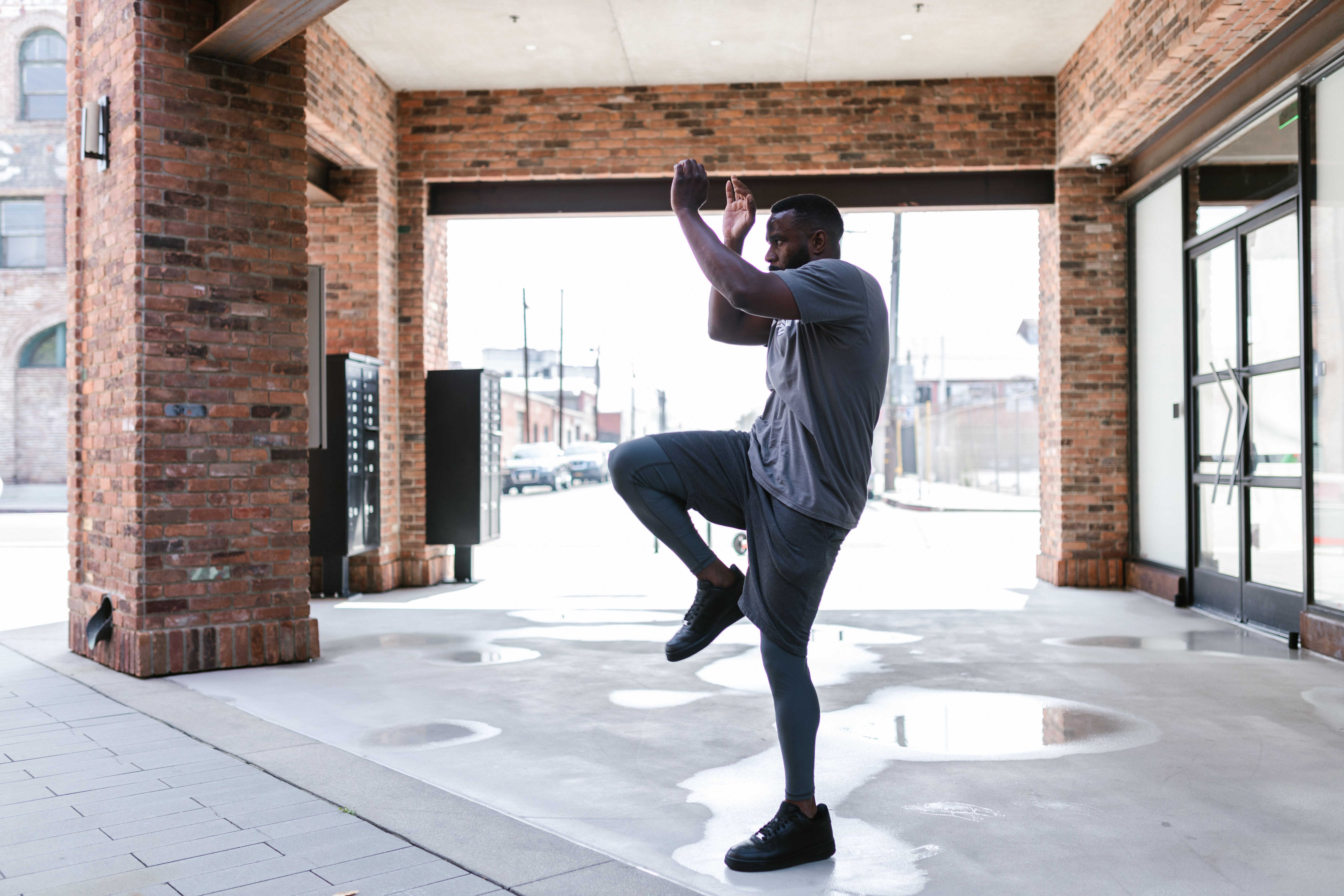
Injuries in people returning to training frequently involve tendons rather than muscles. The reason lies in how differently the two tissues respond to the same increase in load.
Blood supply sets the pace
Muscle is densely supplied with blood vessels, giving it the oxygen and raw material to repair and rebuild quickly after a demanding session.
Tendon is comparatively sparse in vessels and cells, and its metabolic activity is far lower, so the same processes of turnover proceed much more slowly.
The practical result is that measurable muscle adaptation appears within weeks, while meaningful change in tendon structure takes considerably longer.
Strength therefore outruns its attachment
A muscle that has become stronger can generate more force, and all of that force passes through the tendon that anchors it to bone.
If the tendon has not yet adapted, the tissue is exposed to loads beyond what its current structure comfortably handles, repeated many times per session.
This mismatch is why problems often appear in a second or third month of consistent training rather than at the start, when nothing yet felt hard.
Tendon pain behaves unusually
Tendon complaints typically warm up during activity, feeling worse at the start of a session and easing once tissue is loaded and warm.
The pain then returns hours later or the following morning, which makes the session seem to have gone well while the response was delayed.
That pattern makes it easy to keep progressing through the early stages, since the feedback arrives after the decision to continue has been made.
Load is the stimulus and the problem
Complete rest reduces symptoms but also removes the stimulus tendon needs to adapt, and tissue quality declines further during prolonged unloading.
Rehabilitation approaches therefore center on controlled loading at an intensity the tendon tolerates, increased gradually, rather than on avoidance.
Getting that level right depends on the specific tendon, the stage of the problem and the person's activity, which is why it is a matter for a physiotherapist or physician.
Progression rates should differ by tissue
Because the slowest-adapting tissue determines what a body can absorb, sensible progression is paced to connective tissue rather than to how strong the muscles feel.
This is the reasoning behind conservative weekly increases in running distance and behind holding a training load steady for a period before advancing again.
Bone and cartilage adapt on similarly extended timescales, so the same caution applies to any sudden increase in volume or intensity after a layoff.
Also by Oliver Nkemdi
- Cooking skills that save the most moneyFood & Budget
- What fitness trackers can and cannot tell youFitness & Movement
- Fibre, and why it is the nutrient that matters mostFood & Budget
- Exercise with a long-term conditionFitness & Movement