Dental & Vision
Why Tooth Enamel Cannot Repair Itself
Enamel is the only tissue in the body with no living cells inside it, which is why damage is permanent and why prevention carries the whole burden.
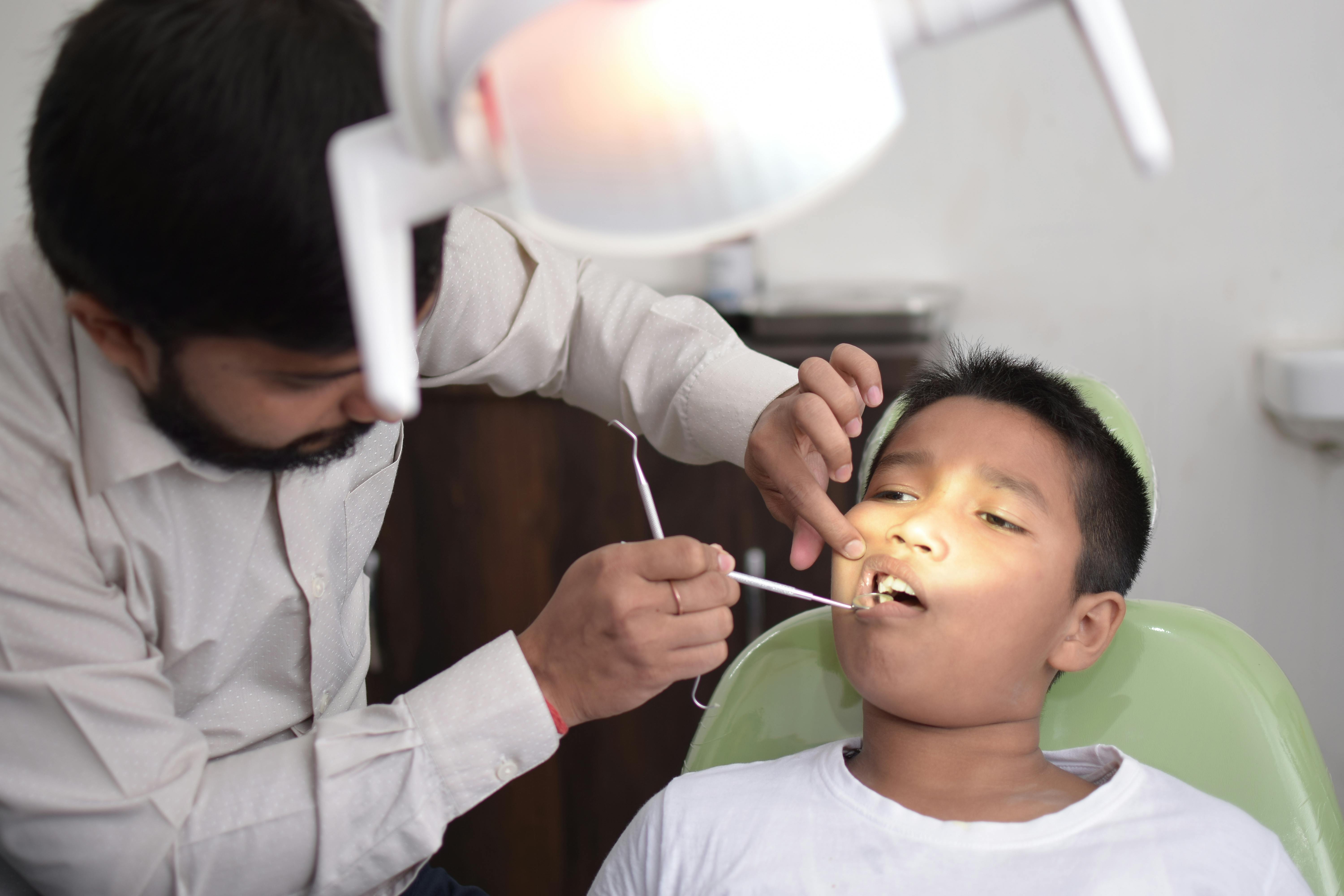
Enamel is the hardest substance the body produces and the only one that cannot heal. That single property explains almost everything about how dentistry works.
Enamel is finished before a tooth erupts
Enamel is laid down by specialised cells during tooth development, and those cells are lost as the tooth emerges into the mouth.
What remains is an almost entirely mineral structure with no cells, no blood supply and no nerves inside it.
Bone, by contrast, is living tissue that constantly remodels and can knit a fracture. Enamel has none of that machinery, so any loss is permanent.
Demineralisation is chemical rather than mechanical
Decay begins when acid dissolves mineral out of the enamel surface, not when something physically wears it away.
The acid comes from bacteria metabolising sugars in the mouth, and from acidic food and drink directly. Both lower the pH at the tooth surface.
Below a certain acidity, mineral leaves the enamel into the surrounding fluid. Above it, mineral moves back in, which means the process runs in both directions.
Early damage can partly reverse
Because demineralisation is a chemical exchange, an early lesion where the surface is intact can regain mineral from saliva.
Saliva carries calcium and phosphate and buffers acid, which is why reduced saliva flow raises decay risk sharply and why dry mouth is a clinical concern.
This remineralisation only works while the surface structure survives. Once it collapses into a cavity, the scaffold is gone and no amount of chemistry rebuilds it.
Frequency matters more than quantity
Each exposure to sugar or acid produces a period of low pH lasting some time before saliva restores the balance.
Consuming the same amount spread across the day produces many such periods, while consuming it at once produces a single longer one that saliva can then recover from.
This is why grazing and sipping sweetened drinks are more damaging than the total sugar figure suggests, and why timing is the variable dentists ask about.
Everything downstream is replacement
Fillings, crowns and other restorations replace lost structure with a material that is bonded or cemented in place rather than regrown.
No restoration lasts indefinitely, and each replacement generally removes a little more tooth, which is why a filled tooth tends to move through progressively larger restorations.
The clinical implication is simply that the first cavity matters most, and decisions about individual teeth belong with a dentist who can see the surfaces involved.
Also by Renata Fiore
- Deciding what to spend on your healthBills & Access
- Workplace health benefits people never useBills & Access
- Choosing between public and private treatmentBills & Access
- End-of-life planning and its practical costsBills & Access