Dental & Vision
Eye tests, glasses and where the money goes
The test detects far more than a prescription, and the price of the glasses has very little to do with the lenses.
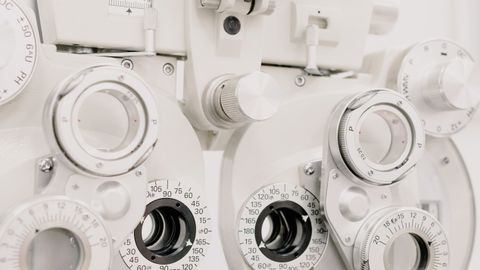
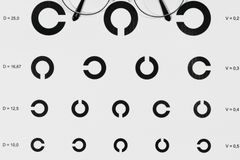
An eye test is one of the most under-used health checks available, partly because people think it is only about whether they need glasses.
What the test actually detects
Beyond refraction.
Glaucoma, which damages peripheral vision painlessly and irreversibly and which is frequently advanced before it is noticed.
Cataract.
Age-related macular degeneration, where the wet form is treatable and where early treatment substantially affects outcome.
Diabetic retinopathy, sometimes detected before diabetes has been diagnosed.
Signs of raised blood pressure in the retinal vessels.
Raised intracranial pressure, tumours and neurological conditions in rare cases.
And in children, squint and amblyopia, which are treatable in early childhood and much less so later.
Which makes it a general health check that happens to include a prescription.
How often
Commonly every two years for adults with no risk factors, and annually for people with diabetes, glaucoma or a family history, those over a certain age, and children.
Anyone with symptoms should be seen promptly rather than waiting for the next routine appointment.
Free or subsidised tests exist in many countries for children, older adults, people with diabetes and those on low incomes, and take-up is well below eligibility.
Where the money goes in glasses
Rarely where people assume.
The lens material and coatings account for a modest share of a typical price.
The frame, the retail markup, the dispensing and the brand account for most of it.
The optical market is unusually concentrated in some countries, with a small number of companies owning brands, retailers and manufacturers, which affects pricing.
Which means that the same prescription can be dispensed at wildly different prices with no difference in optical performance.
What is worth paying for
A short list.
An accurate prescription and a properly measured fit, since incorrectly centred lenses cause eye strain and headaches regardless of cost.
Thinner high-index lenses for strong prescriptions, which are a genuine comfort and appearance benefit and are unnecessary for mild ones.
Anti-reflective coating, which reduces glare and is generally worthwhile.
Scratch-resistant coating, which is standard on most lenses.
Genuine UV protection in sunglasses, which is a health matter rather than a comfort one and which costs very little — dark lenses without UV filtering are worse than none, since they dilate the pupil.
Photochromic and polarised options if you will actually use them.
What is generally not
Blue light filtering lenses, where systematic reviews have not found benefit for eye strain, sleep or eye health, and which are sold at a premium.
Frequent complete replacements when only the lenses have changed — reglazing an existing frame is cheaper and is offered by many providers.
Very expensive designer frames, which are optically identical to cheap ones.
And the most expensive coating packages, where the marginal benefit is small.
Buying online
Which is legitimate and requires care.
You need your full prescription, which you are entitled to a copy of, including the pupillary distance measurement, which some providers do not include and which is required.
Simple single-vision prescriptions transfer to online purchase most reliably.
Complex, strong and varifocal prescriptions are more sensitive to fitting measurements and are more likely to be a problem.
Check the return policy.
And the saving can be substantial, which makes it worth doing for a spare pair even if you buy your main pair in person.
Contact lenses
Different economics.
Daily disposables cost more per year than monthlies and eliminate cleaning and most infection risk from poor hygiene.
Monthly lenses require solution and careful handling.
The critical safety points: never sleep in lenses unless specifically prescribed for it, never use water or saliva on them, replace them on schedule, and replace the case regularly.
Microbial keratitis is uncommon, is associated with poor lens hygiene and overnight wear, and can cause permanent vision loss — which makes cutting corners on lens care a false economy of an unusually severe kind.
Any red, painful eye in a contact lens wearer is an emergency until proven otherwise.
Symptoms that need urgent attention
Regardless of when your last test was.
Sudden loss of vision.
A sudden increase in floaters, flashing lights, or a shadow or curtain across the vision.
A painful red eye with blurred vision and haloes.
New double vision.
Distortion of straight lines.
Any eye injury, particularly with chemicals, where immediate irrigation comes before anything else.
General information only, not medical advice. Seek urgent care for sudden vision loss, new flashes and floaters, or a painful red eye — particularly if you wear contact lenses.
Also by Dr Samuel Adeyemi
- Dental emergencies and what to doDental & Vision
- Overdiagnosis, and why more medicine is not always betterScreening & Checks
- Mouth ulcers, bad breath and the small thingsDental & Vision
- Dry eye, contact lenses and daily eye careDental & Vision