Screening & Checks
How Workplace Biometric Screenings Are Structured
Employer health screenings collect a standard set of measurements tied to insurance incentives, and the rules governing what an employer may see are narrower than people assume.
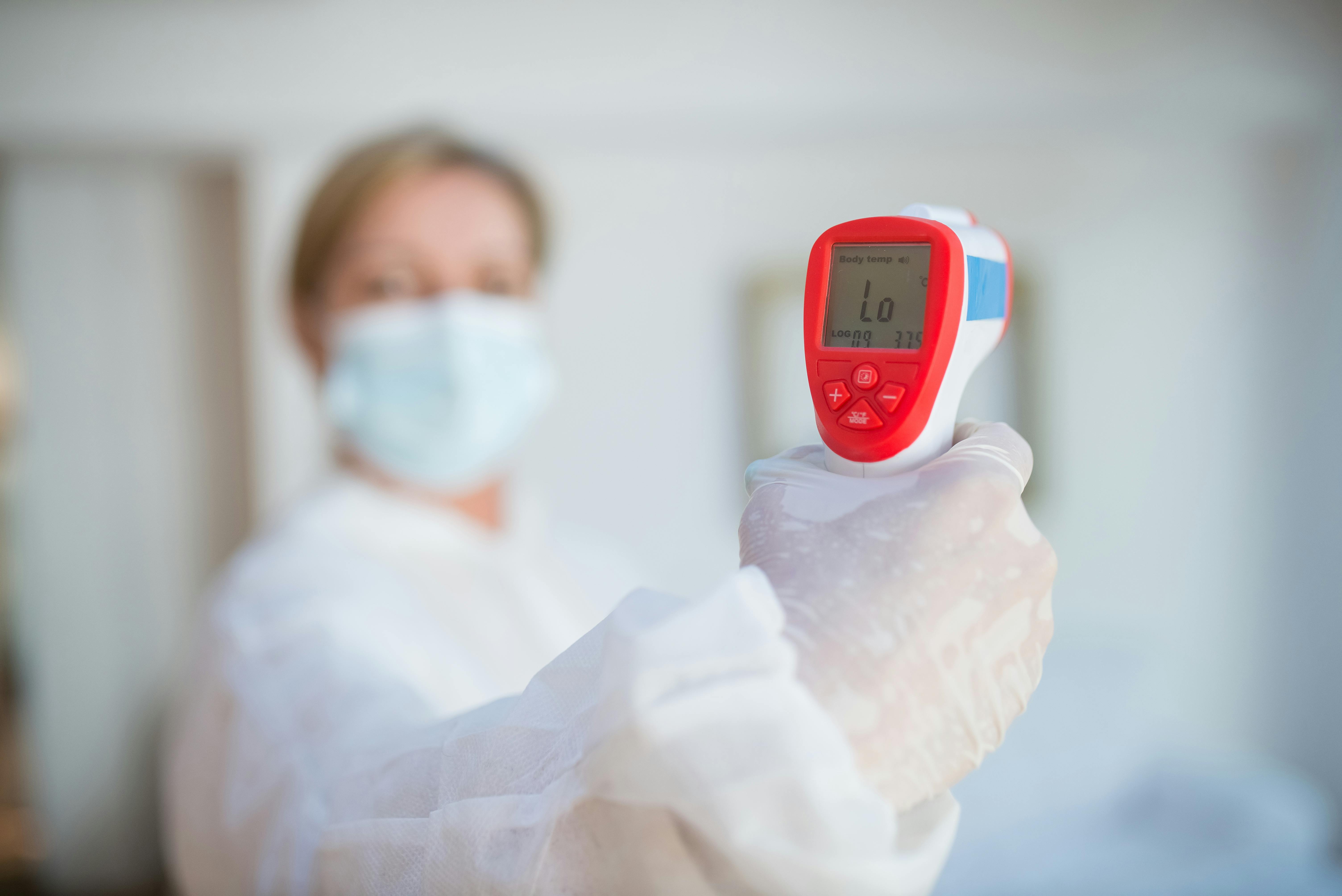
Many American employers run health screenings tied to insurance premiums or wellness credits. The structure of these programs is shaped as much by regulation as by health goals.
The measurement set is deliberately narrow
A typical screening records height, weight, blood pressure, a lipid panel and a blood glucose value, often from a finger stick at a temporary station.
These are chosen because they are cheap, fast, require no interpretation on site, and map onto conditions that account for large shares of employer health spending.
They are screening measures rather than diagnoses, and a finger-stick value under work conditions is less reliable than a laboratory draw.
The incentive is the operating mechanism
Participation is usually linked to a premium differential or a contribution to a health account, which is what drives uptake far above voluntary levels.
Rules limit how large that incentive may be and require reasonable alternatives for employees who cannot meet a standard for medical reasons.
Programs that reward outcomes rather than participation face tighter constraints, because a premium tied to a health result functions differently than one tied to showing up.
The employer does not see individual results
Screenings are administered by a third-party vendor, and individual results go to the employee and into the vendor's records.
The employer generally receives only aggregate reporting and confirmation of who participated, since individual health information is protected under several overlapping laws.
Those protections are why the consent forms are long, and reading what the vendor may do with the data is worthwhile.
What the program is actually buying
The stated goal is early identification of conditions an employee did not know about, and some cases are genuinely found this way.
The measured effect of these programs on health spending has been modest in careful evaluations, which is a recurring finding in the field.
Their more reliable effects are on engagement with primary care and on the employer's benefit design conversation, which are real but different objectives.
How to use the result
An abnormal screening value is a prompt to follow up with a clinician, not a result to act on directly, since confirmation under proper conditions is the next step.
Bringing the printed values to a primary care appointment saves duplication and gives the clinician a baseline to compare against.
A normal screening covers only what was measured, and it is not a substitute for age-appropriate screening that the panel does not include.
Also by Dr Samuel Adeyemi
- Dental emergencies and what to doDental & Vision
- Overdiagnosis, and why more medicine is not always betterScreening & Checks
- Mouth ulcers, bad breath and the small thingsDental & Vision
- Dry eye, contact lenses and daily eye careDental & Vision